The test kitchen
We Add Spice is where the recipe finds out if it’s any good
The character
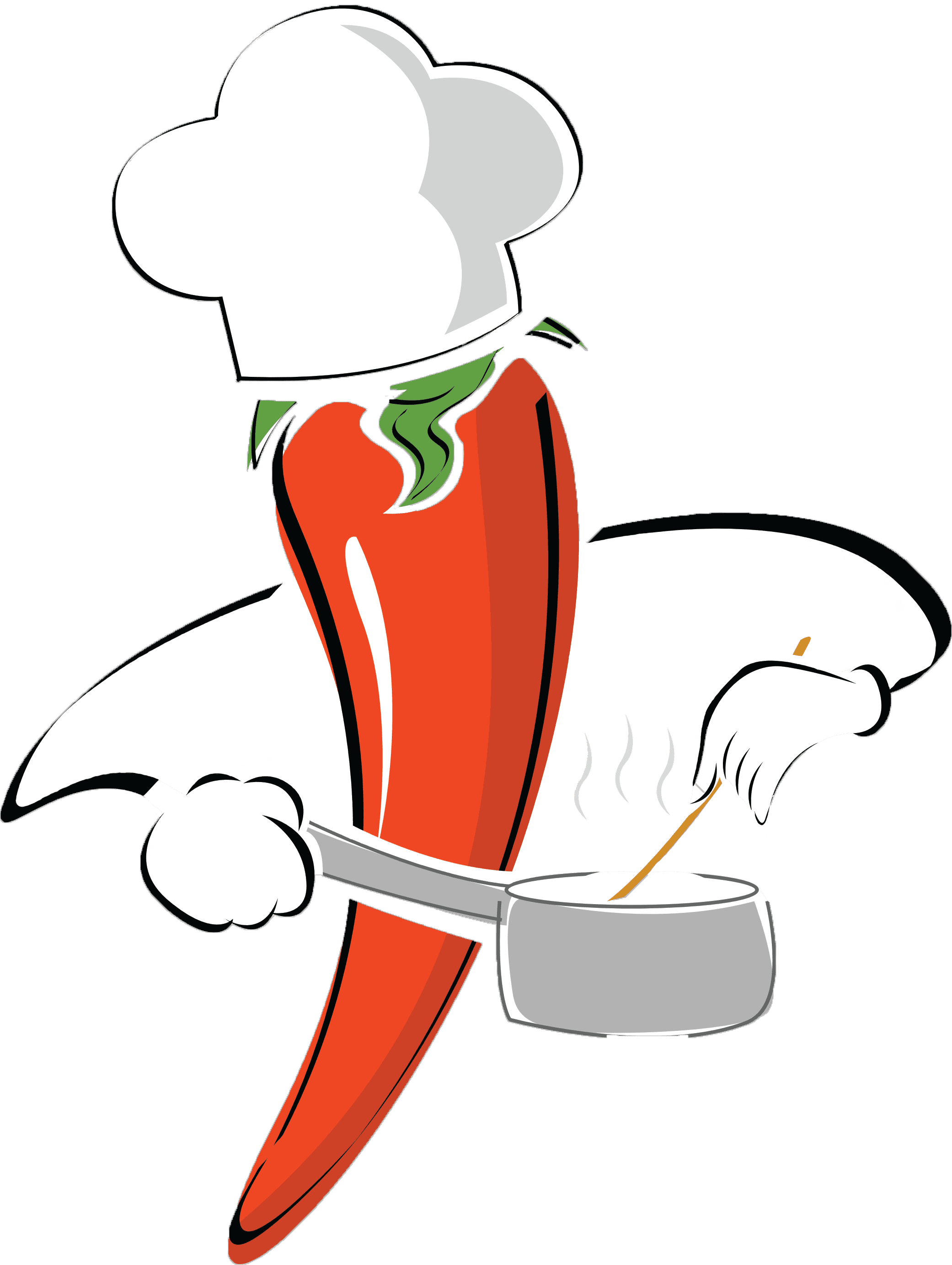
The chef is a red chili in a hat, working a pan he probably shouldn’t be trusted with. He shows up on the bottles and around the kitchen because that is honestly the energy: someone enthusiastic, slightly reckless, and genuinely good at the one thing.
The caution tape is the other half of it. “We Add Spice” where the warning usually goes — a joke and a fair heads-up at the same time.
Four things we don’t bend on
Small on purpose
Every sauce is cooked in short runs. Small batches drift — a blueberry sauce is never the exact same red twice — and we'd rather keep that than iron it flat for consistency's sake.
It has to survive the boring test
Anything can taste exciting once. A recipe only gets bottled if people are still putting it on ordinary food a month later.
Heat serves flavour
We are not chasing a number. The hot ones are genuinely hot, but the point is what the pepper tastes like on the way there, not the burn for its own sake.
Say what it is
The label tells you the batch, the year, and an honest, subjective read on the heat. No origin myths, no invented awards.
On the label
Dr Saucey’s is the name on the bottle. We Add Spice is the kitchen behind it.
Some bottles carry a Private Reserve line — those are the smaller, stranger runs that we were slightly surprised to be sending out. Everything is 5 oz, everything says “shake well,” everything is dated.

05 — Next batch
Batches are small and they go fast
The drop list is how you hear first. One email when a batch is about to land — which sauces, how many bottles, where to get them. That’s it.